

E-Invoice Creates Digitally Authenticated GST Invoices
E-invoice transforms your regular invoice into government-verified document with unique Invoice Reference Number (IRN). Your billing software sends invoice data to Invoice Registration Portal, receives IRN and QR code back for valid GST compliance.
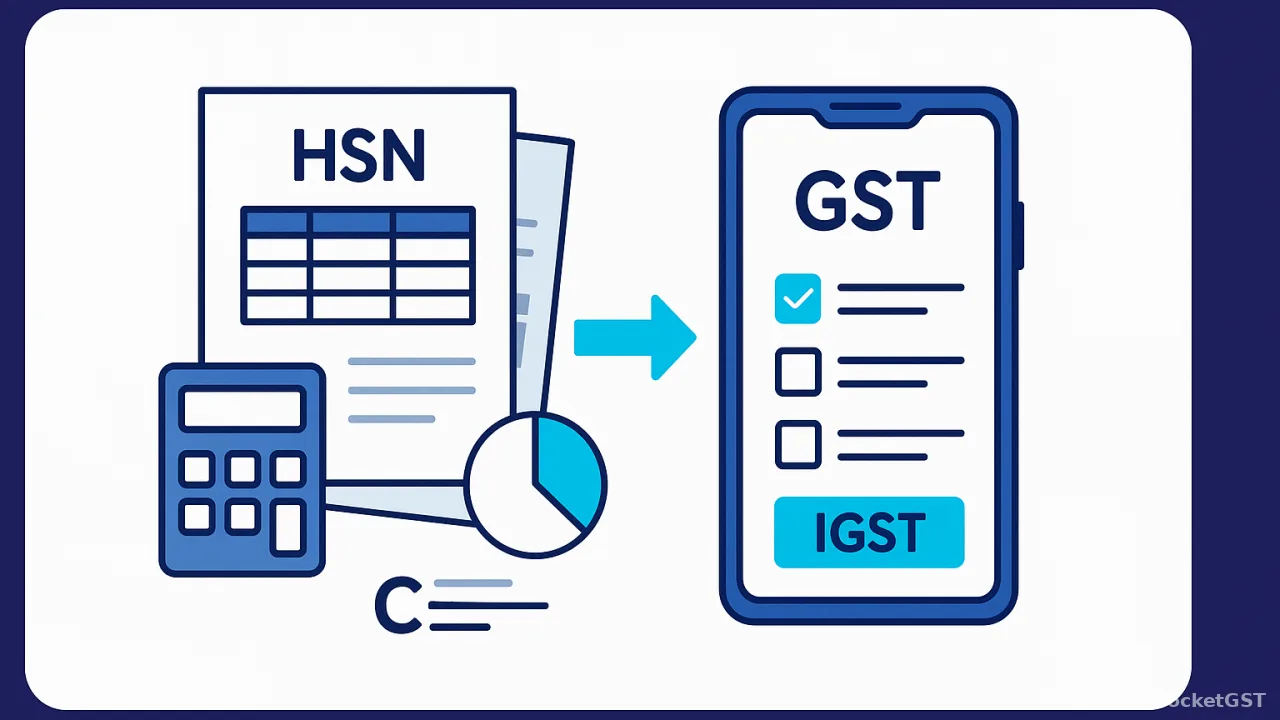
Manual invoice creation stops working once you qualify. Every B2B sale needs IRP validation before customer delivery.
Government Authentication Process
Invoice Registration Portal validates your invoice data against GST rules. Portal assigns unique IRN, adds digital signature, generates QR code for verification.
Your invoice content stays identical. Authentication layer prevents invoice duplication across India's GST ecosystem.
Turnover Threshold Requirements
Businesses crossing specific annual turnover limits must generate IRN for all B2B sales and exports. Current threshold stands at ₹10 crores aggregate turnover - check gst.gov.in for updates as limits change.
Cross threshold mid-year? E-invoice becomes mandatory from next month. No transition period available.
Invoice Categories Requiring IRN
B2B invoices need IRN generation. Export invoices require authentication. SEZ sales fall under mandatory coverage.
B2C sales remain exempt regardless of your business size. Credit notes and debit notes need IRN when connected to qualifying transactions.
Technical Setup Requirements
Real-Time Portal Connection
Billing software needs API integration with IRP for instant IRN generation. Offline billing breaks compliance completely - internet connectivity becomes essential during invoice creation.
Portal downtime blocks qualifying sales until IRP restoration. Choose software with backup connectivity options.
JSON Data Format Compliance
Invoice data must match government's exact JSON schema specification. Field validation errors prevent IRN generation, blocking invoice completion entirely.
Software handles JSON formatting automatically. Verify your billing solution supports e-invoice before reaching threshold.
GSTR-1 Filing Integration
Automatic Return Population
GSTR-1 data flows directly from IRP to your GST returns. Manual invoice entry disappears - authentication pushes details automatically to filing portal.
Invoice matching between buyers and sellers improves dramatically. Centralized validation eliminates discrepancy disputes during reconciliation.
E-Way Bill Generation
Create e-way bills directly from IRN without re-entering invoice details. Transportation compliance speeds up with direct workflow integration between authentication and movement systems.
Verify current requirements on gst.gov.in as e-invoice rules continue evolving.


